Time to let leafy greens crash the snack table—and no, I don’t mean iceberg lettuce with a sprinkle of guilt. Dark leafy vegetables like spinach, kale, and collards are loaded with antioxidants and vitamins that can help reduce oxidative stress and calm inflammation. Harvard researchers call these foods a key part of any anti-inflammatory diet, thanks to their high vitamin K and polyphenol content. Avocados are more than just an Instagram brunch staple—they’re a legitimate anti-inflammatory food.
Anti-Inflammatory Diet Do’s and Don’ts
Caitlin holds advanced training certificates in women’s health and integrative and functional nutrition. You don’t need to turn into a green smoothie influencer to reap the rewards, either. Toss them into a stir-fry, pair them with olive oil, or mix them into an omelet. Think of them as your body’s quiet support staff—no drama, just reliable, steady help against inflammation.
Nutrition
Plants are key to anti-inflammatory eating because they’re a major source of antioxidants—compounds that can help prevent or delay the damage inflammation causes. Antioxidants help neutralize free radicals that form when our cells metabolize oxygen, or in response to environmental challenges like tobacco smoke and UV radiation. Antioxidants serve as an “off switch” to this process by breaking the chain of reactions that lead to cell damage.
Benefits of an anti-inflammatory diet
This approach gives you the flexibility of choosing from many different foods to create meals that fit you and your family. These foods tend to be high in saturated fat, unlike low-fat dairy products. Plus they’re loaded with antioxidants and other anti-inflammatory substances. But an anti-inflammatory diet may curb your immune response to allergens, which lessens the severity of your symptoms.
What diseases are associated with unhealthy inflammation?
- Studies show that capsaicin can help lower cholesterol, improve blood sugar levels, and reduce high blood pressure.
- Your best bet is to follow an eating plan that includes a lot of colorful fruits and vegetables, whole grains, unsaturated fats, and other plant-based foods.
- This soup is high in fiber and flavor, but low in calories and fat.
- If you’re trying to reduce your risk of chronic disease, focus on adding the best anti-inflammatory foods to your plate.
- One easy way to incorporate more of the omega-3 superhero salmon into your diet?
- However, sometimes inflammation persists, day in and day out, even when you are not threatened by a foreign invader.
Unfortunately, oversized wine glasses and giant beer cans make it tricky to keep serving sizes in perspective. If you could use a visual, a standard-size drink is 5 ounces of wine, 12 ounces of beer or 1.5 ounces of spirits. While we aren’t saying no alcohol, we do recommend limiting your daily intake to one standard drink for women and two for men. Inflammation-promoting foods include white breads, cereals, white pasta, and other products made with refined flours, as well as white rice.
Risks of Chronic Inflammation
In addition to lowering inflammation, a more natural, less processed diet can have noticeable effects on your physical and emotional health. “A healthy diet is beneficial not only for reducing the risk of chronic diseases, but also for improving mood and overall quality of life,” Dr. Hu says. However, sometimes inflammation persists, day in and day out, even when you are not threatened by a foreign invader. Many major diseases that plague us — including cancer, heart disease, diabetes, arthritis, depression, and Alzheimer’s — have been linked to chronic inflammation. An anti-inflammatory diet may help reduce chronic inflammation — a prolonged response to how your body handles danger. Chronic inflammation can damage your heart, brain and other organs.
Anti-Inflammatory Dinners
They’re rich in resveratrol, a compound also found in red wine, that has anti-inflammatory and heart-protective properties. Eating grapes may help reduce oxidative stress and even support healthy aging, according to research from Johns Hopkins. As helpful as some foods and nutrients are for calming inflammation, others may promote it, especially added sugars, saturated fats and sodium. Limiting your consumption of the following foods and beverages can provide even more inflammation-fighting power to your diet. For https://www.escoffier.edu/blog/world-food-drink/what-is-a-holistic-diet/ example, it’s been linked to weight gain, obesity, type 2 diabetes, heart disease, autoimmune diseases, and many other health conditions. With every step you take to fight chronic inflammation, you’ll be doing your body and mind a major favor—and the more steps you take, the better.
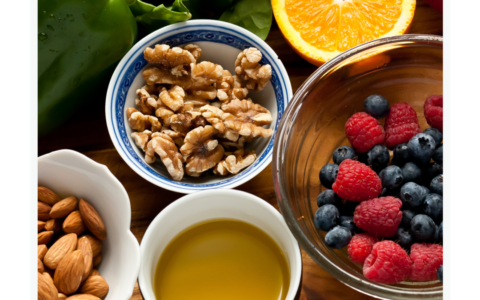
Scientists at Johns Hopkins note that berries may also help protect your cells from damage—so they’re not just pretty, they’re practical too. Mushrooms might look mysterious, but they’re well-documented inflammation fighters. Varieties like shiitake, maitake, and oyster mushrooms contain polysaccharides and other bioactive compounds that support the immune system. Some even boost natural killer cell activity—your body’s built-in defense team.
What Foods Cause Inflammation?
The bowls are packed with nutritious ingredients, like black beans, rice and veggies, and topped with a delicious Spicy Tahini Sauce. These easy recipes are not complicated and use everyday ingredients. Follow this 30-day meal plan for a month of healthy and delicious anti-inflammatory recipes. Aside from eating an anti-inflammatory diet, other dietary and lifestyle habits can help you reduce inflammation.
Anti-Inflammatory Diet: Ultimate Food Guide + Daily Foods to Reduce Inflammation
Besides improving the way you feel and function, you may reduce your risk of various life-threatening diseases. They are rich in compounds like beta-glucans and antioxidants, which boost the immune system, reduce inflammation, and protect against cell damage. Research suggests that dry beans are an anti-inflammatory food that may prevent some types of heart disease, diabetes, and high blood pressure.
Subscribe to Cleveland Clinic Health Essentials
These include foods with few nutrients that are often ultra-processed, fried, reviews of unimeal and high in added sugar, salt, or saturated fat. Unhealthy foods also contribute to weight gain, which is itself a risk factor for inflammation. Yet in several studies, even after researchers took obesity into account, the link between foods and inflammation remained, which suggests weight gain isn’t the sole driver. “Some of the food components or ingredients may have independent effects on inflammation over and above increased caloric intake,” Dr. Hu says. Your immune system becomes activated when your body recognizes anything that is foreign—such as an invading microbe, plant pollen, or chemical. Intermittent bouts of inflammation directed at truly threatening invaders protect your health.
Dry beans, such as navy beans, kidney beans, pinto beans, and black beans, are an excellent source of plant protein, minerals, B-complex vitamins, and vitamin K. Since carrots are low in calories and a good source of fiber, they can also help you lose weight if necessary. That’s important because obesity is a risk factor for heart disease, diabetes, and some cancers. It’s easy to get more of this anti-inflammatory food into your diet because it’s so versatile. Broil it, boil it, or eat it raw with a drizzle of olive oil. Some experts suggest you get ¼ of your fat from saturated fats, ¼ from polyunsaturated, and ½ from monounsaturated.