Understanding Crimea Sanctions: Impacts and Implications
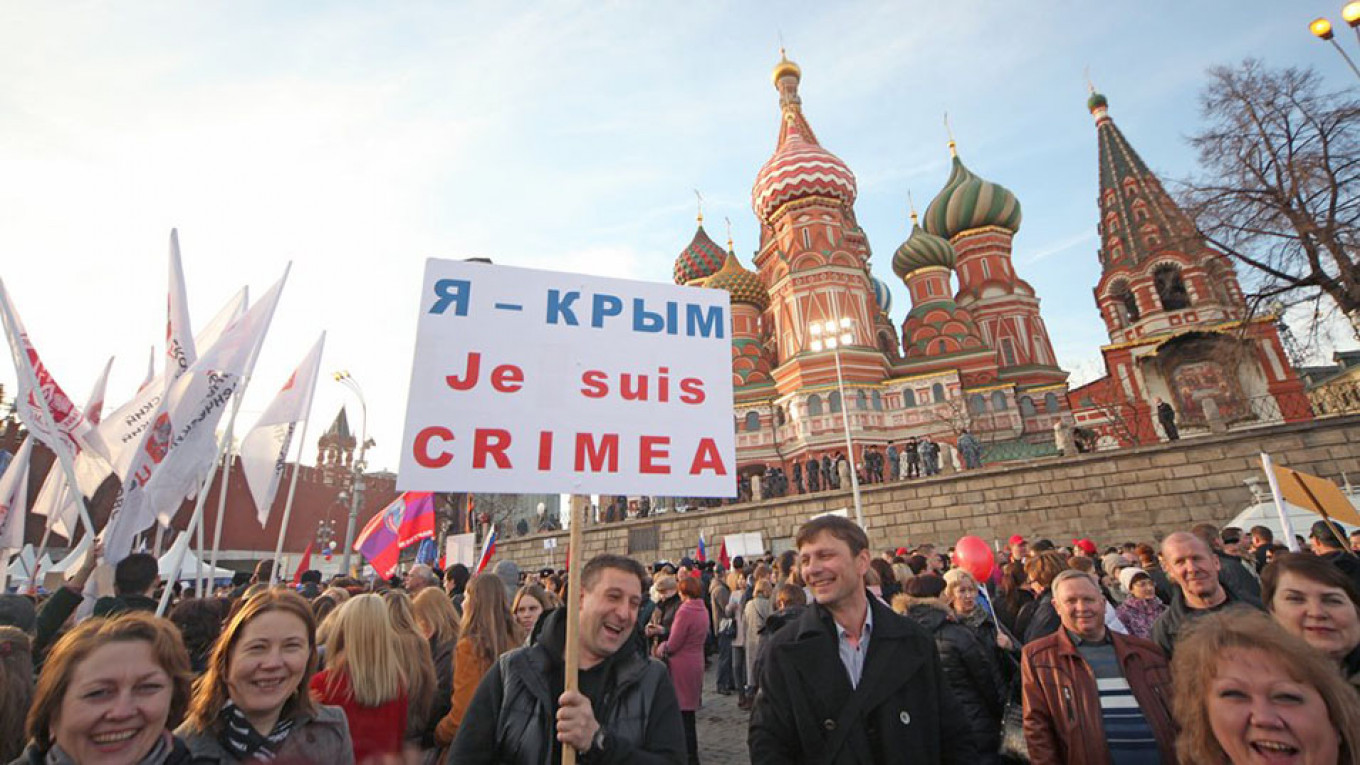
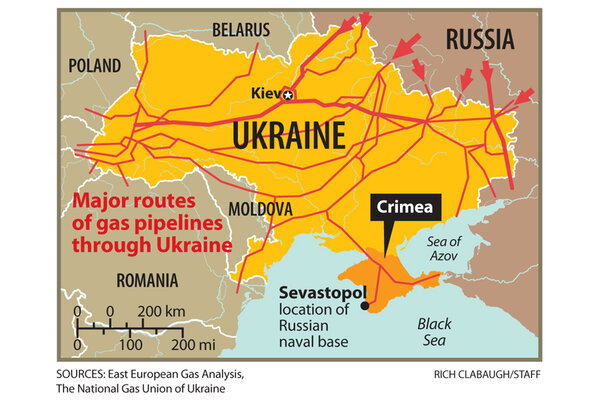
Sanctions against Crimea have been a significant aspect of international relations since Russia’s annexation of the region in 2014. These sanctions are aimed at pressuring the Russian government and preventing the further escalation of conflicts. The implications of these sanctions extend beyond political rhetoric and influence various aspects of trade, economics, and international operations. For a detailed overview, refer to information on Crimea sanctions https://jurisnotary.com/pgs/crimea-sanctions-what-they-mean-for-international-operations.html.
Historical Context of Crimea Sanctions
The annexation of Crimea by Russia in March 2014 was followed by a series of political maneuvers that led to widespread condemnation from the international community. The United States, European Union, and other nations imposed several rounds of sanctions targeting Russian individuals and businesses, as well as specific sectors of the economy in Crimea. These actions were primarily due to concerns over territorial integrity and the promotion of international law.
Types of Sanctions Imposed
Sanctions against Crimea can be categorised into several key types, including:
- Economic Sanctions: Restrictions on trade and investment in Crimea, particularly for goods and services that may benefit the Russian economy.
- Financial Sanctions: Prohibitions on providing loans and financial assistance to entities operating in Crimea, limiting access to international financial markets.
- Travel Bans: Restrictions on travel for individuals associated with the Russian government and businesses involved in the annexation process.
- Agricultural and Industrial Sanctions: Limits on the export of specific technologies and assets that could aid the development of industries in Crimea.
Impact on Local Economy
The sanctions have adversely affected the economy of Crimea. Investment has dwindled, and many businesses have struggled to operate due to limited access to international markets. Tourism, once a significant contributor to the region’s economy, has also seen a decline as a result of the perceived instability and geopolitical tensions. Despite attempts by the Russian government to stimulate the local economy through various means, growth remains stunted.
Effects on International Operations and Businesses
For international businesses, the sanctions present complex challenges. Companies must navigate a web of restrictions that can lead to legal repercussions if violated. Importantly, engaging with the Crimean market can pose significant risks, including:
- Legal Risks: Businesses could face penalties for inadvertently violating sanctions, including fines and restrictions on accessing the US or EU markets.
- Reputation Risks: Working with companies or individuals in Crimea may lead to reputational damage and diminished trust from customers and partners.
- Operational Challenges: Issues such as supply chain disruptions and increased costs due to increased scrutiny and compliance requirements can impede business operations.
International Responses and Future Outlook
The international response to the situation in Crimea continues to evolve. While sanctions remain in place, there have been discussions regarding their effectiveness and the potential for future modifications. Diplomatic efforts, while challenged, are ongoing, aiming to address the underlying tensions and foster a resolution that respects international law.
The future of Crimea sanctions will depend significantly on geopolitical developments, particularly in relation to Russia’s foreign policy and its interactions with other nations. As long as the situation continues to be contentious, businesses and individuals must remain vigilant and informed.
Conclusion
In conclusion, Crimea sanctions represent a critical aspect of contemporary international relations with profound implications for regional stability and global commerce. Awareness and understanding of these sanctions are essential for businesses operating in or considering entry into the region. Navigating the complexities of these sanctions ensures compliance and helps mitigate risks associated with international operations in Crimea.