
Gambling-Like Mechanics in Non-Gambling Apps
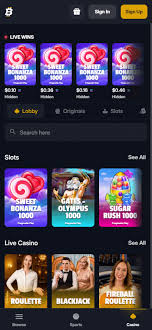
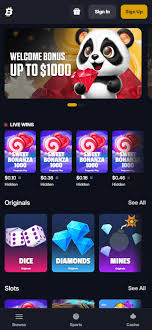
In the digital landscape, applications are evolving to capture user attention in an increasingly competitive environment. One significant trend that has emerged is the incorporation of gambling-like mechanics in non-gambling apps. This strategic implementation seeks to enhance user interaction and engagement by leveraging psychological principles that govern human behavior. Mechanics such as reward systems, randomization, and risk-taking tendencies are at the core of this phenomenon. For instance, users can experience the thrill of chance in applications that feature Gambling-Like Mechanics in Non-Gambling Apps slot games on Bitfortune, or similar features, without ever placing a bet.
The Appeal of Gambling Mechanics
At the heart of gambling-like mechanics is the allure of unpredictability and excitement. These elements tap into the human psyche, creating environments where users are not just passive consumers but active participants. This engagement can be so compelling that it transforms a mundane app experience into something reminiscent of gambling. Apps that successfully integrate these mechanics often see remarkable improvements in user retention and satisfaction.
1. Reward Systems
The use of reward systems is one of the simplest yet most effective ways to emulate gambling mechanics. When users complete certain tasks or reach specific milestones, they receive rewards—these can be in the form of points, badges, or unlockable content. This system creates a strong incentive for users to continue interacting with the app. For instance, fitness apps frequently reward users for achieving their exercise goals, offering achievements akin to hitting a jackpot. This not only boosts motivation but also enhances user loyalty.
2. Randomization and Chance
Randomized rewards are another powerful tool used by non-gambling apps to evoke gambling-like excitement. By providing users with unpredictable rewards after completing a task or participating in an event, apps can mimic the thrill of a slot machine. Consider mobile games that offer loot boxes—when users invest time or currency into these boxes, they do not know what they will receive, which mirrors the uncertainty found in gambling scenarios. This aspect of chance keeps users coming back for more, hoping for that coveted rare item or bonus.
3. Time-Limited Events
Time-limited events further amplify user engagement through urgency. Many apps implement seasonal challenges or exclusive time-bound rewards that encourage users to participate actively within a specific timeframe. This mechanism activates a fear of missing out (FOMO), driving users to engage more frequently. Developers intentionally create these time-limited opportunities to replicate the urgency associated with gambling, where timing and quick decision-making can influence outcomes significantly.
The Psychology Behind Engagement
Understanding the psychology behind why users engage with gambling-like mechanics is crucial for app developers. The concept of variable rewards, rooted in B.F. Skinner’s operant conditioning, plays a significant role. Users are rewarded at unpredictable intervals, creating a sense of excitement and anticipation as they continuously engage with the app in hopes of receiving a reward. This unpredictability keeps them coming back, as they become conditioned to expecting a payoff that may or may not occur, much like a gambler pulling a lever on a slot machine.
The Impact on Monetization Strategies
For many non-gambling apps, incorporating gambling-like mechanics also opens avenues for monetization. By increasing user engagement and retention, apps can transform casual users into dedicated, long-term players who are willing to spend money. Microtransactions, in-app purchases, and premium memberships can all be enhanced by these mechanics. Apps can offer users a chance to win additional items or features through purchases, deepening their investment in the app while mirroring gambling dynamics.
Ethical Considerations
While the use of gambling-like mechanics can lead to success, developers must navigate ethical considerations. The line between rewarding user engagement and exploiting addiction can be precarious. It’s essential to ensure that the implementation of these mechanics does not lead to harmful behavior or addiction, particularly among vulnerable populations. This includes offering transparency in the use of randomness, ensuring responsible monetization practices, and providing users with options to limit their engagement when necessary.
Case Studies
Several popular non-gambling applications exemplify the successful integration of gambling-like mechanics. For instance, gaming giants like Fortnite and social media platforms like Instagram utilize loot boxes and reward systems to keep users engaged. In the mobile gaming industry, games such as Clash of Clans and Candy Crush incorporate constant rewards and interactive challenges, feeding the addictive cycle of engagement and monetization.
Conclusion
In a world where user attention is increasingly fleeting, gambling-like mechanics in non-gambling apps represent a compelling strategy for app developers. By tapping into the psychological triggers that drive engagement, these mechanics can turn ordinary applications into captivating platforms that encourage users to return repeatedly. However, it’s imperative to implement these strategies ethically and responsibly to foster positive user experiences while avoiding the potential pitfalls of exploitation. As the boundaries between gambling and non-gambling applications continue to blur, understanding this interplay will be crucial for future app innovations.