
Human rights are the fundamental rights and freedoms that every person is entitled to, regardless of nationality, sex, ethnic or racial origin, religion, language, or any other status. The defense of these rights is crucial in ensuring that individuals can enjoy their freedoms in peace and security. Despite the universal declaration of human rights, violations persist across the globe, highlighting the need for ongoing human rights defense efforts. This is where Human Rights Defense civil rights lawyers play an essential role, advocating for justice and holding violators accountable.
To understand the importance of human rights defense, it’s essential first to grasp the concept of human rights itself. Human rights are often categorized into three generations: first-generation rights focus on civil and political rights, such as the right to life, liberty, and freedom of expression; second-generation rights address economic, social, and cultural rights, including the right to education and work; and third-generation rights emphasize collective rights like the right to development and a healthy environment. The defense of these rights has evolved over decades, shaped by historical events, social movements, and legal frameworks.
The international community has established various frameworks and treaties aimed at protecting human rights. The most significant of these is the Universal Declaration of Human Rights, adopted by the United Nations General Assembly in 1948. This document sets out fundamental human rights that are to be universally protected and has inspired numerous international and regional human rights instruments. Alongside these treaties, numerous organizations, both governmental and non-governmental, are dedicated to the promotion and protection of human rights. Their work is crucial, especially in regions where oppressive regimes and systemic injustices prevail.
Human rights defenders often face severe risks in their pursuit of justice. In many countries, individuals standing up for human rights are met with hostility from governments, leading to harassment, threats, or even violence. The work of civil rights lawyers is vital in these contexts, as they not only provide legal representation to victims of human rights abuses but also advocate for systemic changes that improve the protection of rights. They help ensure that those responsible for violations are held accountable and that survivors are afforded justice and reparations.

One of the key challenges in human rights defense is the issue of enforcement. While international laws exist, the mechanisms for enforcing these laws are often weak or ineffective. Additionally, many countries prioritize national sovereignty over international obligations, leading to conflicts between domestic policies and global human rights standards. This inconsistency poses a significant barrier for human rights defenders, particularly when they seek to address violations in their jurisdictions.
Public awareness and advocacy play critical roles in human rights defense. Grassroots movements have proven effective in drawing attention to injustices and mobilizing support for change. Social media platforms have emerged as powerful tools, allowing activists to share experiences and rally support for various causes. The ability of individuals to connect and organize online has transformed the way human rights issues are discussed and addressed, making it harder for governments to suppress dissent.
The role of civil society organizations cannot be understated in the realm of human rights defense. These organizations work tirelessly to monitor human rights conditions, document violations, provide legal assistance, and advocate for policy reforms. They serve as a bridge between affected individuals and the legal system, ensuring that victims have access to the resources they need to seek justice. The collaboration between civil rights lawyers and these organizations amplifies the impact of their efforts, making strides toward a more just society.
International cooperation and solidarity are crucial components of effective human rights defense. Countries must engage with one another to hold violators accountable and to share best practices in promoting and protecting human rights. Treaties, conventions, and diplomatic pressure can compel nations to comply with international human rights standards. Furthermore, global advocacy campaigns can spotlight violations and mobilize international public opinion to demand change.
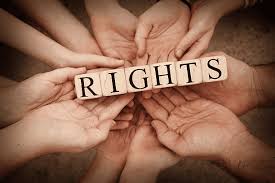
In the face of challenges, remarkable progress has been made in various areas of human rights defense. Issues such as gender equality, racial justice, and LGBTQ+ rights have gained significant traction in recent decades, thanks in large part to the relentless efforts of activists and legal advocates. Landmark court cases have established important precedents, furthering the understanding and enforcement of human rights protections.
Moreover, technology has become a double-edged sword in the realm of human rights. While it has enabled greater access to information and mobilization of support, it has also facilitated surveillance and repression. Human rights defenders must navigate this landscape carefully, employing digital security measures to protect themselves and their work. The intersection of human rights and technology presents new challenges, but also new opportunities for advocacy and awareness-raising.
Looking ahead, the future of human rights defense will depend on the commitment of individuals, communities, and governments to uphold the principles of equality and justice. It requires ongoing dedication to educating the public about human rights issues and fostering a culture of respect for all individuals. Partnerships among civil society, legal professionals, and state actors will be vital in advancing human rights agendas and ensuring that progress is made.
In conclusion, the defense of human rights is a crucial aspect of ensuring that all individuals can live with dignity and freedom. The contributions of civil rights lawyers and other advocates are invaluable in this pursuit, as they challenge abuses and fight for justice. While the challenges are significant, the collective efforts of committed individuals and organizations can lead to meaningful change. As we move forward, it is imperative that we continue to support and amplify the voices of those dedicated to human rights defense, striving for a world where everyone’s rights are recognized and respected.