
We build robust, high-performance software systems and deliver elite corporate technology training modules to upskill engineering workforces, with specialized focus on modern AI integrations.



We deliver end-to-end technical support, from initial architecture blueprint design to continuous workforce skill expansion.
We engineer highly scalable enterprise systems, smart cloud architectures, and next-gen mobile apps with deep AI integrations (LLMs, NLP, predictive models, and agentic workflows) built on secure OOP principles.
Upskill your tech teams with rigorous, trainer-led modules covering full-stack developer paths, prompt engineering, agentic development flows, secure database querying, and cloud automation.
Projects Delivered
Corporate Cohorts
Engineers Upskilled
Satisfaction Rate
We bridge advanced machine learning models with legacy and modern business systems, ensuring security and workforce readiness.
Seamless connection of Large Language Models (LLMs), NLP interfaces, vector databases (Pinecone, ChromaDB), and Retrieval-Augmented Generation (RAG) into production pipelines.
Proactive protection against prompt injection, sensitive data exposure, and model jailbreaks, fully integrated with standard PHP PDO parameterized database queries.
Customized technical bootcamps that empower your developers to write secure code using AI coding agents, copilots, and clean engineering standards.
Explore our verified engineering track record of high-performance business applications.
 Education
{"problem":"The client's existing library infrastructure lacked central management, resulting in fragmented cataloging, manual circulation tracking, and limited digital accessibility for students and staff. They required a scalable, cost-effective, and robust Learning Management \/ Library Management System capable of handling extensive academic catalogs with high availability.","solution":"Deployed and customized Koha OpenSource LMS on a secure, optimized cloud infrastructure. Configured customized OPAC (Online Public Access Catalog) interfaces tailored to the institution's branding, automated automated circulation and fine rules, integrated advanced search capabilities using Zebra indexing, and migrated legacy catalog data into a high-performance MySQL database schema.","metrics":["99.9% System Uptime","100% Automated Circulation Tracking","50% Reduction in Cataloging Overheads","Seamless Self-Service OPAC Access for Users"]}
Intensive, hand-on engineering curriculums built for professional transformation.
 24 hours
"Welcome to our course on Containers with Kubernetes! In simple terms, this course helps you understand and use two essent...
 36 Hours
The Python for Data Analytics and Machine Learning course teaches you the fundamentals of Python programming, which you will ne...
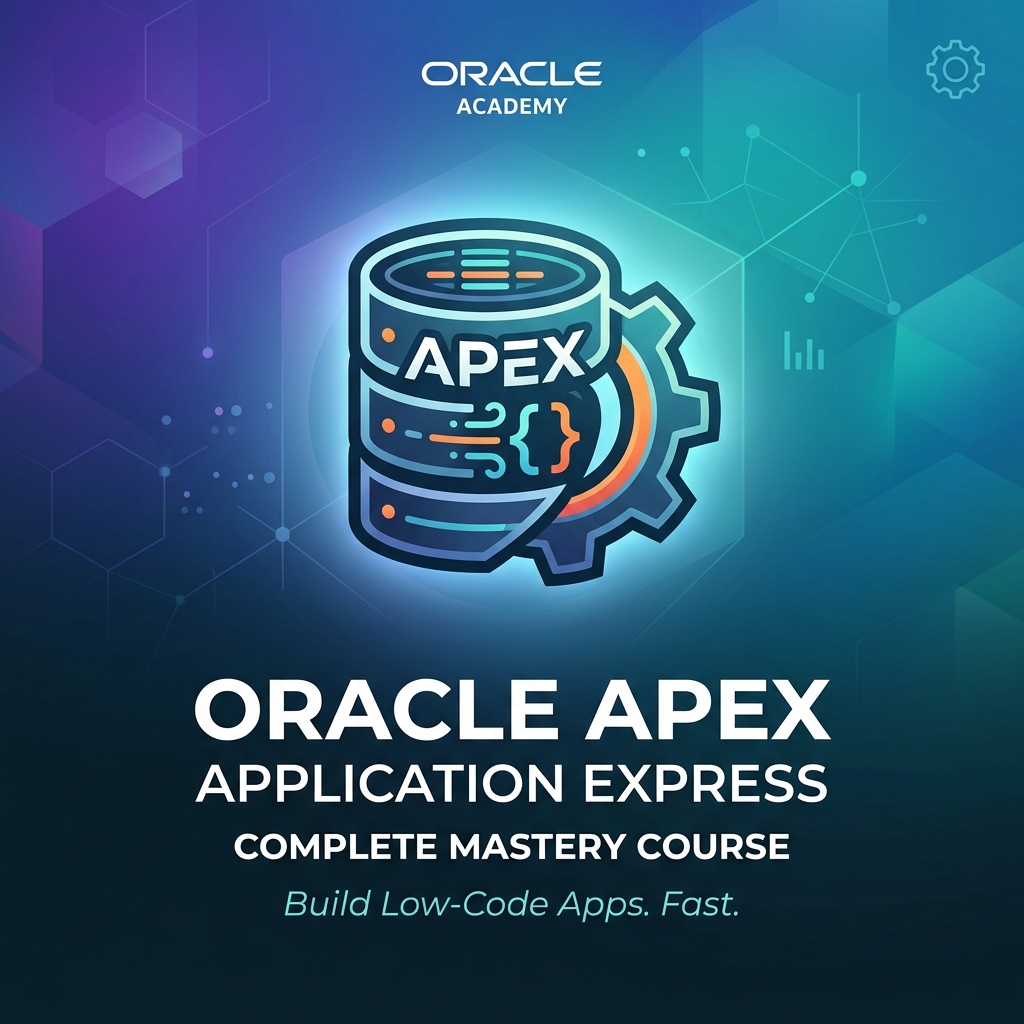 48 Hours
An Oracle APEX (Application Express) course is designed to teach individuals how to develop web applications quickly and effici...
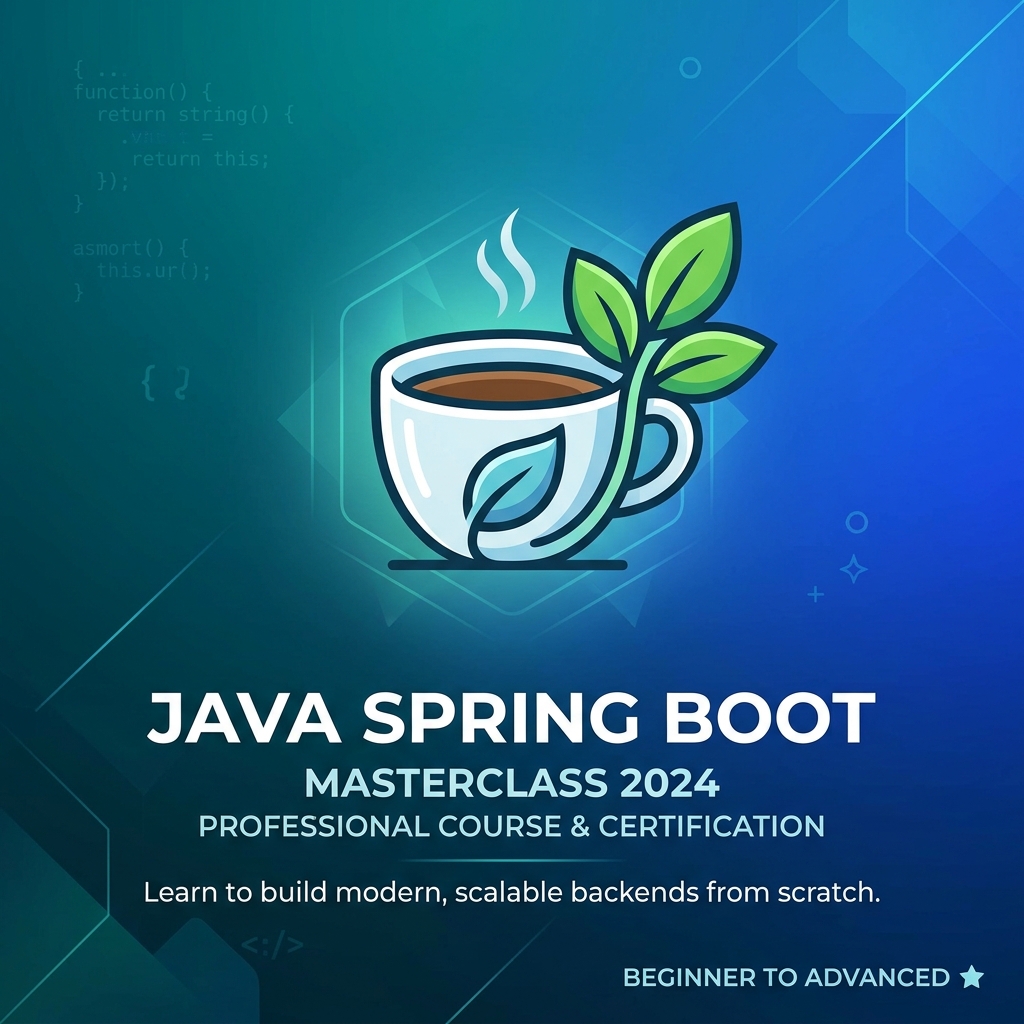 24 Hours
A Java Spring Boot Certification is a confirmation of an individual's expertise in utilizing Spring Boot, a widely adopted open...
Hear from the engineering teams and leadership we've empowered with custom software and upskilling tracks.